

Steve Jobs: Visionary Leader, Innovator, and Marketing Genius
Few names in modern history are as influential as Steve Jobs. Known as the co-founder of Apple Inc., Jobs wasn’t just a businessman; he was an innovator, designer, visionary, and one of the greatest marketers the world has ever seen. His journey from a college dropout to building one of the world’s most valuable companies is nothing short of inspiring.
This blog explores the life of Steve Jobs, his leadership style, innovations, marketing strategies, failures, comeback story, and the legacy he left behind. Whether you’re a student, entrepreneur, or technology enthusiast, there’s something powerful to learn from the life of Steve Jobs.
Early Life of Steve Jobs
Steve Jobs was born on February 24, 1955, in San Francisco, California. Shortly after his birth, he was adopted by Paul and Clara Jobs. Raised in Cupertino, Jobs showed early signs of curiosity and creativity, often tinkering with electronics in his garage.
Jobs attended Reed College in Portland but dropped out after six months. Yet, this decision didn’t hold him back. Instead, it freed him to explore subjects that truly fascinated him, like calligraphy. Later, Jobs credited this interest in typography for inspiring the beautiful fonts used in Apple computers.
This early decision highlights a core part of Jobs’ personality—the courage to think differently.
The Birth of Apple
In 1976, Steve Jobs co-founded Apple Computer, Inc. along with Steve Wozniak and Ronald Wayne. Their first creation, the Apple I computer, was hand-built in a garage. It was simple but revolutionary.
Soon, the Apple II became one of the first highly successful mass-produced personal computers, changing the way people saw technology. Jobs was only 21 years old at the time.
Apple grew rapidly, and in 1980, it went public. Steve Jobs became a millionaire before the age of 25. However, this was just the beginning.
The Rise and Fall at Apple
In 1984, Apple launched the Macintosh, a groundbreaking computer with a graphical user interface. While it was revolutionary, sales were slower than expected. Internal conflicts between Jobs and then-CEO John Sculley escalated.
By 1985, Jobs was forced out of Apple—the very company he co-founded. This was one of the lowest points in his life, but instead of giving up, Jobs used it as an opportunity to reinvent himself.
Next, Pixar, and the Road Back
After leaving Apple, Jobs founded NeXT Inc., a computer company focused on education and business markets. Though NeXT’s computers were not commercially successful, their advanced software technology would later play a key role in Apple’s future.
Around the same time, Jobs acquired a small animation studio called Pixar. Under his leadership, Pixar created blockbuster films like Toy Story, Finding Nemo, and The Incredibles. Pixar eventually merged with Disney, making Jobs the largest individual shareholder of Disney at the time.
These ventures not only proved Jobs’ resilience but also showcased his ability to spot potential in industries beyond computers.
The Return to Apple
In 1997, Apple was struggling and on the verge of bankruptcy. That’s when Steve Jobs returned. With his bold vision, he transformed Apple into one of the most profitable and innovative companies in the world.
He introduced a series of groundbreaking products:
- iMac (1998): A computer with colorful, modern design that revived Apple’s image.
- iPod (2001): Revolutionized the way people listened to music.
- iTunes Store (2003): Changed the music industry forever.
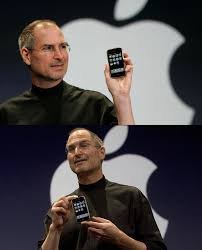
- iPhone (2007): A phone, music player, and internet communicator in one device.
- iPad (2010): A tablet that created a whole new category of devices.
Each product launch redefined technology and culture. Jobs didn’t just create devices; he built experiences.
Steve Jobs’ Leadership Style
Jobs’ leadership style was unique—sometimes controversial, but undeniably effective. Some key elements of his leadership include:
- Visionary Thinking – Jobs could see possibilities that others couldn’t. He didn’t follow trends; he created them.
- Perfectionism – He pushed his teams to deliver products that were not just good but exceptional.
- Focus on Design – Jobs believed design wasn’t just about looks but also about functionality and user experience.
- Charismatic Presentation – His product launches became legendary events that inspired both employees and customers.
- Persistence – Jobs didn’t fear failure. Even when rejected, he bounced back stronger.
Steve Jobs as a Marketing Genius
Jobs’ marketing philosophy deserves special mention because it played a huge role in Apple’s success. His strategies included:
- Simplicity in messaging: Apple ads focused on lifestyle benefits, not technical jargon.
- Storytelling: Every Apple launch told a story that connected emotionally with people.
- Exclusivity and hype: By creating anticipation, Apple products felt desirable and premium.
- Experience-driven branding: From packaging to Apple stores, every detail was designed to create a memorable experience.
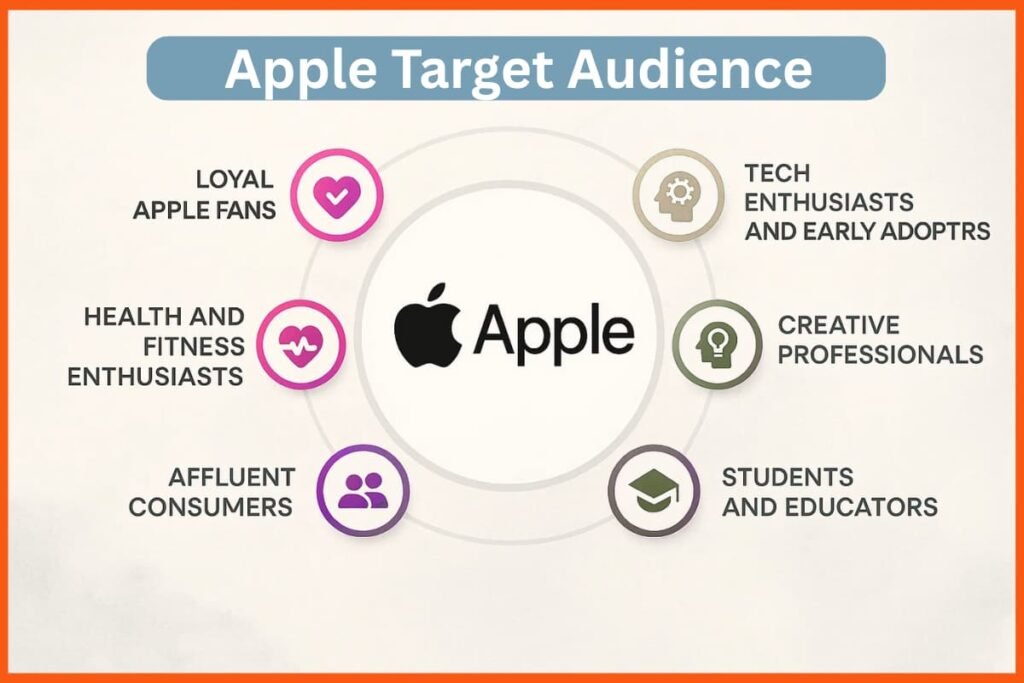
This approach turned Apple customers into loyal fans and the brand into a global icon.
Innovations That Changed the World
Steve Jobs didn’t just build products—he changed industries. Some of his biggest contributions include:
- Personal Computers: Making computers accessible to everyday people.
- Digital Music: iTunes and iPod transformed how music was consumed.
- Smartphones: The iPhone redefined mobile communication.
- Tablets: The iPad shaped the future of portable computing.
- Animated Movies: Pixar raised the bar for animated storytelling.
Jobs wasn’t an engineer, but his ability to connect technology with human needs made him a true innovator.
Failures of Steve Jobs
Despite his success, Jobs faced several failures:
- The Apple Lisa computer flopped.
- The NeXT Computer failed commercially.
- His management style was often criticized as harsh and demanding.
However, Jobs viewed failures as stepping stones. He once said:
“Sometimes when you innovate, you make mistakes. It is best to admit them quickly and get on with improving your other innovations.”
The Legacy of Steve Jobs
Steve Jobs passed away on October 5, 2011, after a long battle with pancreatic cancer. His death marked the end of an era, but his legacy continues to live on.
- Apple remains one of the world’s most valuable companies.
- His philosophy of innovation, simplicity, and excellence continues to guide entrepreneurs worldwide.
- Jobs’ story is taught in business schools, inspiring millions to dream big and take risks.
He didn’t just change technology—he changed the way people live, work, and communicate.
Lessons from Steve Jobs’ Life
Here are key takeaways from Steve Jobs’ journey:
- Follow your passion – Jobs loved technology and design, and he built his life around it.
- Think different – Don’t be afraid to challenge norms.
- Embrace failure – Every failure can lead to a comeback.
- Focus on the customer experience – Products should improve lives, not just add features.
- Keep it simple – Both in design and communication.
Conclusion
Steve Jobs was not just the co-founder of Apple; he was a visionary, leader, and marketing genius whose ideas transformed industries. His journey teaches us the importance of persistence, creativity, and the courage to think differently.
Even years after his passing, Steve Jobs continues to inspire entrepreneurs, marketers, and innovators around the globe. His life proves that one individual’s vision can change the world forever.