

Brand Apple: A Journey of Innovation, Marketing Brilliance, and Global Influence
When we hear the word Apple, most of us instantly think about iPhones, MacBooks, or the iconic bitten-apple logo. But the brand Apple is far more than just a technology company—it is a global lifestyle brand that has redefined design, marketing, and customer experience. From its humble beginnings in a garage in 1976 to becoming one of the world’s most valuable companies, Apple has shown us how powerful branding and innovation can create a loyal community of fans worldwide.
In this blog, we will explore the story of brand Apple, its marketing strategies, innovations, digital presence, and how it became a symbol of trust and luxury.
The Origin of Brand Apple
Apple was founded in 1976 by Steve Jobs, Steve Wozniak, and Ronald Wayne in California. The vision was simple yet ambitious: to make computers small enough for people to have in their homes and offices. Their first product, the Apple I, was just a beginning, but it set the foundation for what would later become a revolution in personal technology.
The brand Apple started with a focus on user-friendly technology, and that vision still guides it today. Unlike other tech companies at the time, Apple did not just sell machines; it sold an experience. From the beginning, the brand was built around simplicity, innovation, and design excellence.
Why Brand Apple Stands Out
In today’s crowded market, many brands struggle to stand out. Yet, Apple remains one of the most recognizable and admired brands in the world. But what makes the brand Apple so unique?
- Design First Approach – Apple products are sleek, minimalistic, and aesthetically pleasing. The brand knows that looks matter as much as performance.
- Customer Loyalty – Once someone buys an iPhone, chances are they will continue to buy other Apple products. This loyalty is rare in the tech industry.
- Premium Branding – Apple never positions itself as cheap or budget-friendly. Instead, it sells luxury and exclusivity.
- Seamless Ecosystem – Mac, iPhone, iPad, AirPods, and Apple Watch all connect beautifully. This integrated system keeps customers within the Apple ecosystem.
- Marketing Mastery – Apple’s advertising campaigns, from “Think Different” to iPhone launch events, are legendary examples of storytelling.
Apple’s Digital Marketing Strategy
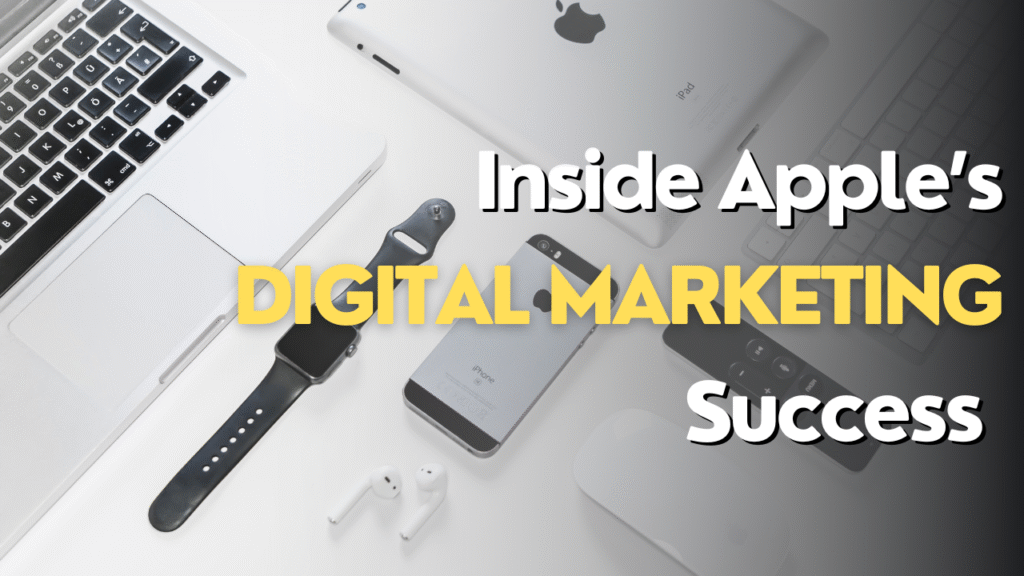
When we discuss digital marketing success stories, Apple always tops the list. Unlike other brands that rely heavily on traditional ads, Apple uses a combination of storytelling, product launches, social media, and customer engagement to create hype.
1. Storytelling Over Hard Selling
Apple rarely talks about technical specs in its ads. Instead, it highlights how the product makes your life better. For example, instead of saying “12MP camera,” Apple shows you breathtaking photos shot on iPhones.
2. The Art of Product Launches
Apple’s annual launch events are global spectacles. Millions of people tune in live to watch the unveiling of the latest iPhone or MacBook. This creates buzz, free publicity, and endless media coverage.
3. Social Media Marketing
Apple is strategic on social media. Unlike other brands, it doesn’t flood its platforms with posts. Instead, it relies heavily on user-generated content like the #ShotOniPhone campaign, which encourages iPhone users to share their best photos. This not only builds engagement but also makes customers feel like part of the brand.
4. Minimalist Advertising
Think about Apple ads: clean visuals, bold statements, and no clutter. This minimalist marketing style has become part of Apple’s identity.
5. Creating Urgency and Exclusivity
Apple’s “limited stock” and pre-order strategies create FOMO (Fear of Missing Out), driving customers to buy products as soon as they launch.
Apple’s Branding: More Than a Logo
The Apple logo is one of the most iconic in the world. But branding goes beyond a logo—it’s about the emotions and trust that customers associate with the brand.
- Consistency: Apple maintains a consistent tone of voice, design, and style across all platforms.
- Simplicity: Whether it’s the product packaging or the Apple Store layout, everything reflects simplicity.
- Premium Pricing: By positioning itself as a premium brand, Apple ensures that its products are seen as aspirational.
- Customer Experience: Apple Stores are designed to be more than retail outlets—they are experience centers where customers can interact with products freely.
Apple’s E-Commerce & Retail Strategy
The brand Apple has mastered both online and offline presence.
- Apple.com is not just a shopping site—it’s an educational hub that explains products in a simple yet engaging way.
- Apple Retail Stores are strategically placed in premium locations, offering world-class customer support through the Genius Bar.
- The brand focuses on direct-to-consumer sales, reducing dependence on third-party retailers and keeping customer experience in full control.
Apple’s Product Ecosystem – The Power of Integration
One of Apple’s strongest advantages is its ecosystem. Once you own one Apple product, you’re naturally drawn to others.
- iPhone connects seamlessly with AirPods and Apple Watch.
- MacBooks and iPads allow easy sharing via AirDrop.
- Services like iCloud, Apple Music, and Apple Pay enhance this ecosystem.
This interconnected experience creates brand stickiness, making it hard for customers to switch to competitors.
Global Influence of Brand Apple
Apple is not just a U.S. brand—it’s a global phenomenon. With millions of users in Asia, Europe, and beyond, the brand has become part of everyday life.
- In India, Apple has recently expanded its retail presence, tapping into a growing market of premium smartphone buyers.
- In China, Apple products are seen as a status symbol, boosting its popularity.
- Across the world, Apple products are associated with quality, trust, and prestige.
Apple and Innovation
Apple is not the first to invent every technology, but it is often the first to make it mainstream and desirable.
- The iPod changed how we listen to music.
- The iPhone transformed the smartphone industry.
- The App Store created an entire new economy.
- The Apple Watch turned smartwatches into fashion accessories.
- The latest focus on AR, VR, and AI shows Apple’s commitment to future innovation.
Challenges Faced by Brand Apple
Even the most successful brands face challenges. For Apple, these include:
- High Prices: Apple is often criticized for being too expensive.
- Competition: Samsung, Google, and other brands are constantly innovating.
- Supply Chain Issues: Global disruptions can affect Apple’s product launches.
- Environmental Concerns: Apple faces pressure to be more sustainable.
Yet, despite these challenges, Apple continues to thrive because of its brand loyalty and ecosystem strength.
Lessons Businesses Can Learn from Brand Apple
- Focus on Customer Experience, Not Just Products
- Build a Strong Brand Identity
- Leverage Storytelling in Marketing
- Create an Ecosystem of Services
- Position Your Brand as Premium (if possible)
Apple shows us that building a powerful brand is about more than just selling products—it’s about creating a lifestyle.
Conclusion
The brand Apple is an extraordinary example of how innovation, marketing brilliance, and customer-centric strategies can create not just a company, but a cultural movement. Apple has successfully built an ecosystem that locks in loyalty, a marketing strategy that generates global excitement, and a brand image that symbolizes luxury and trust.
For businesses, Apple is not just a competitor or inspiration—it’s a masterclass in branding and marketing.
As technology continues to evolve, one thing is certain: the brand Apple will remain a leader in shaping the future of digital experiences.